The Evolution of Cargo Ships
13 October 2026 5 MINS. Read GLOBAL
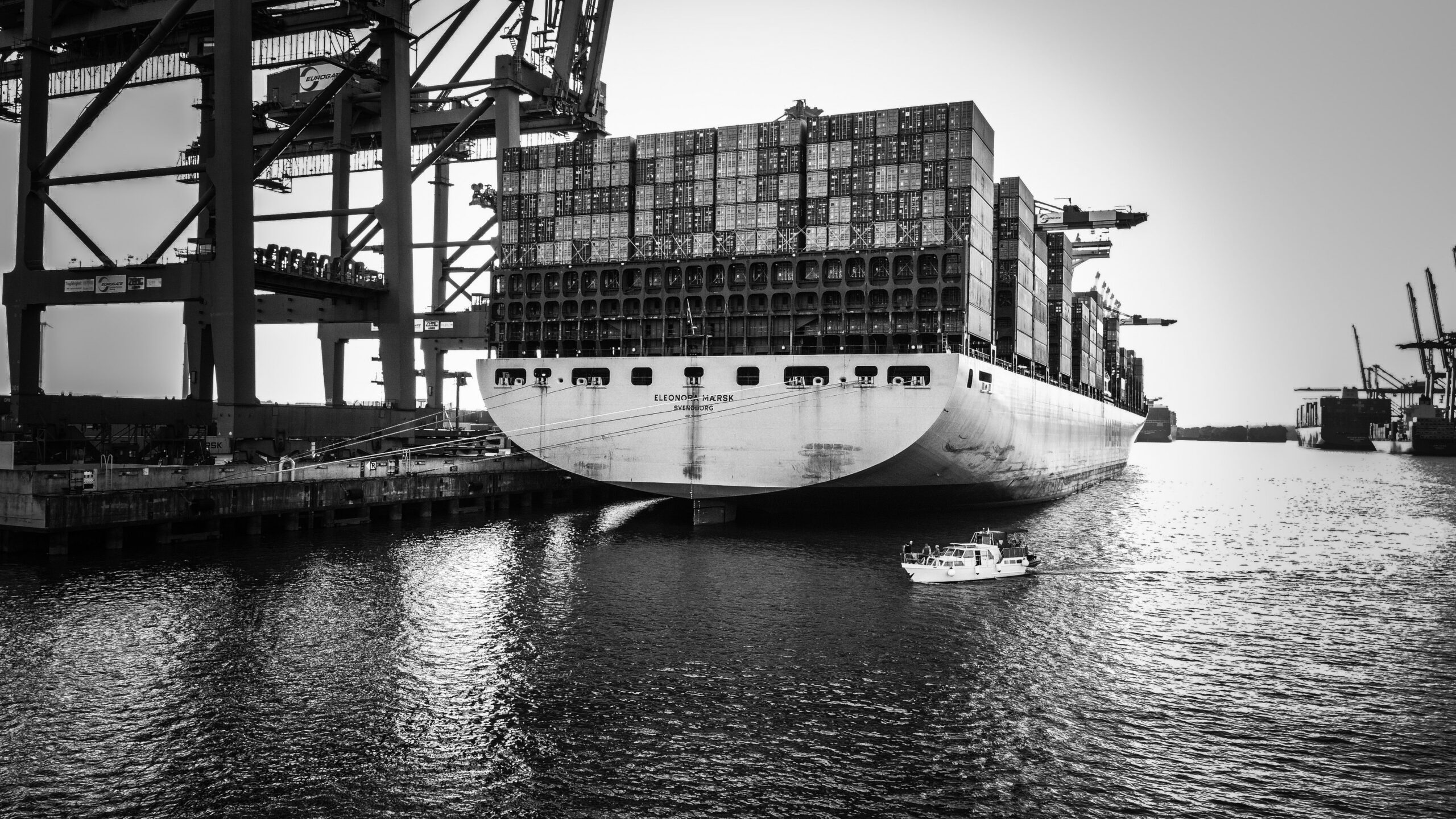
The Evolution of the Containership: From 1,000 TEU to 24,000+ TEU
Container shipping has changed dramatically since containerisation began in the 1950s.
What started with relatively small converted tankers and bulk carriers has developed into an industry using vessels capable of carrying more than 20,000 TEU on a single voyage.
The main driving force behind this growth has been economies of scale. By carrying more cargo on one ship, shipping lines can reduce transportation costs per container.
However, increasing vessel size has never been solely about the ships themselves. Ports, cranes, terminals and inland transport networks have all had to evolve alongside them.
The 1950s: The Beginning of Container Shipping
The first generation of containerships looked very different from the purpose-built vessels operating today.
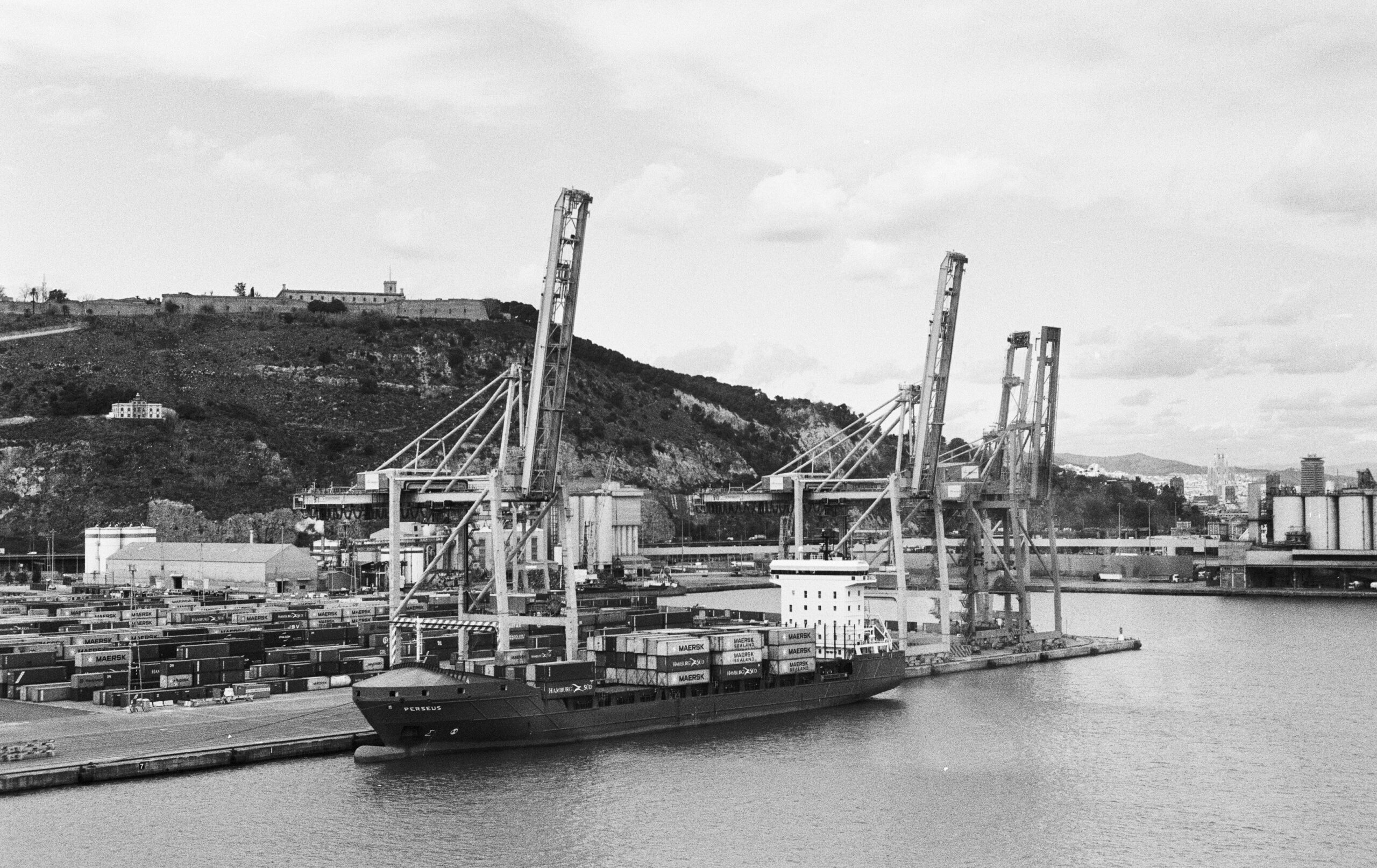
Early container ships were mainly converted tankers and bulk carriers, with capacities of up to approximately 1,000 TEU.
TEU stands for Twenty-foot Equivalent Unit, the standard measurement used to describe containership capacity.
Although modest by today’s standards, these early vessels helped establish the foundations of modern containerised maritime transport.
The Rise of Panamax Vessels
As container shipping expanded, ship dimensions became increasingly influenced by one of the world’s most important trade routes: The Panama Canal.
During the 1980s, Panamax vessels were developed around the dimensional restrictions of the original Panama Canal locks.
These ships typically carried approximately 4,000 – 4,500 TEU, representing a significant increase in capacity compared with earlier generations.
However, once vessels reached the maximum practical dimensions of the canal, shipping lines began exploring ways to move beyond these restrictions.
Post-Panamax: Moving Beyond Canal Limits
The next major development was the arrival of Post-Panamax vessels.
These ships were wider than the original Panama Canal locks and could carry substantially more cargo than their predecessors.
Their increased size created new demands on port infrastructure, including deeper berths, larger ship-to-shore cranes and improved terminal facilities.
The growth of these vessels demonstrated that increasing ship capacity was only one part of the equation. The infrastructure supporting global shipping also needed to develop.
The Arrival of Very Large Containerships
By the mid-2000s, the container shipping industry had entered another stage of development.
Very Large Containerships (VLCS) emerged with capacities of approximately 11,000–14,500 TEU.
These vessels represented another major step towards greater efficiency, allowing shipping lines to transport significantly larger volumes of cargo on major international trade routes.
Their introduction continued the industry’s pursuit of economies of scale, particularly on high-volume routes connecting major global ports.
Neo-Panamax and the Expanded Panama Canal
Another significant milestone came in 2016 with the expansion of the Panama Canal.
The introduction of larger locks allowed a new generation of vessels, known as New Panamax or Neo-Panamax, to pass through the canal.
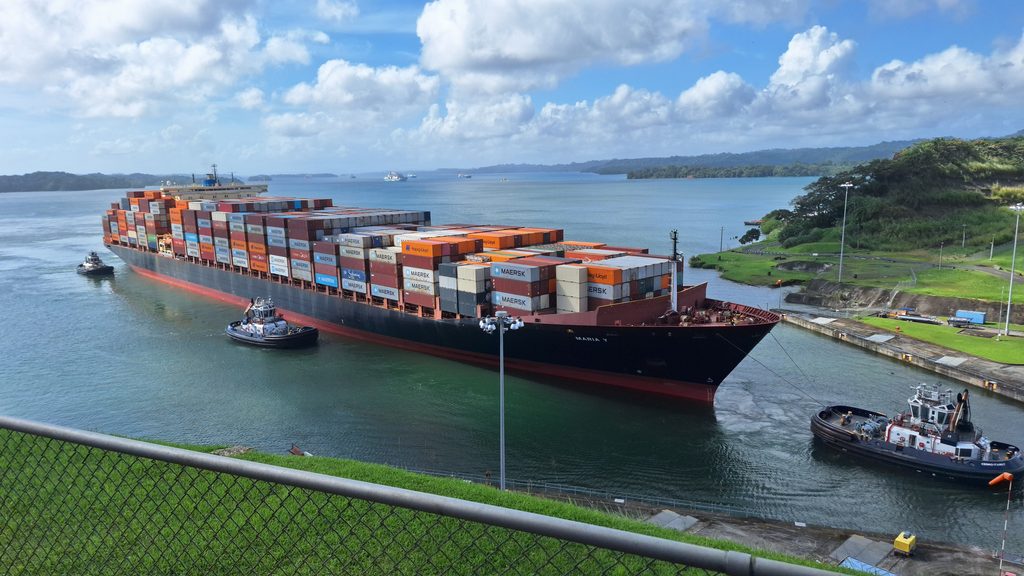
These ships were specifically designed around the dimensions of the expanded waterway, with capacities of approximately 12,500 TEU.
The expansion highlighted how major infrastructure projects have had to respond to the increasing size of modern containerships.
The Era of Ultra-Large Containerships
The industry’s continued pursuit of greater capacity eventually led to the development of Ultra Large Container Vessels (ULCVs).
Ships carrying more than 18,000 TEU began appearing from 2013, while later Mega-max-class vessels pushed capacities towards approximately 24,000 TEU.
These vessels can transport enormous quantities of cargo on a single voyage, helping shipping lines achieve economies of scale on major international trade routes.
However, their size also creates limitations.
Only ports with sufficiently deep waterways, large cranes, extensive terminal capacity and suitable surrounding transport infrastructure can efficiently accommodate vessels of this scale.
As ships become larger, the number of ports and routes capable of handling them economically becomes increasingly restricted.
Bigger Ships Need Bigger Infrastructure
The evolution of the containership is not simply a story about increasing vessel capacity.
Each increase in ship size places additional demands on the wider logistics network;
- Ports: Larger vessels require deeper berths and waterways to accommodate their increased dimensions and drought.
- Cranes: Taller and wider vessels require ship-to-shore cranes with greater lifting height and reach.
- Terminals: Higher container volumes put cargo handling operations under greater pressure and increase demand for storage space, making efficient terminal operations even more important.
- Inland Infrastructure: Road and rail networks must be able to move growing container volumes efficiently once cargo reaches land, supported by distribution facilities with enough capacity to handle the flow.
These developments are essential to ensuring that the efficiency gains offered by larger vessels can be realized across the wider supply chain.
Are Container Ships Going to Keep Getting Bigger?
In little more than seven decades, containership capacity has progressed from converted vessels carrying around 1,000 TEU to highly specialized ships capable of transporting more than 24,000 TEU.
This remarkable growth has helped reshape international trade, allowing greater quantities of cargo to move across global shipping routes.
However, the evolution of container shipping extends far beyond the vessels themselves.
Ports, terminals, transport networks and supply chains have all had to adapt to accommodate increasingly large ships.
As ships get bigger, the infrastructure supporting them must evolve too.
Looking ahead, the next chapter in containership development will likely be determined not just by how large vessels can become, but by how effectively the wider logistics industry can support them.
For more information on the evolution of container ships, visit The Geography of Transport Systems.
Stay informed with the latest industry updates by exploring the full range of articles here.